Episode Transcript
[00:00:01] Speaker A: If you're looking for the skills and tools to succeed in real estate investing, you've come to the right place.
This show is about breaking through barriers, breaking through limiting beliefs, and breaking through to the life that you want to live through the power of real estate investing. You're listening to the Breakthrough Real Estate Investing Podcast. And now here are your hosts, Rob Brake and Quinton d'.
[00:00:25] Speaker B: Souza.
[00:00:29] Speaker C: Welcome back, everybody. Thanks for joining us again. Really appreciate you guys taking the time. A lot of you take the time every month to come and listen to us, so we really do appreciate it, don't we, Quentin?
[00:00:39] Speaker D: Absolutely.
[00:00:40] Speaker C: And how are you today?
[00:00:42] Speaker D: I'm doing great. I just got back from being in Mexico for a month and unfortunately it's a little colder here than Mexico, but that's okay. I was, I moved from like positive 26 to minus 26, but whatever, today it's only minus 2, so it's, it's not bad, but you know, it's, it's good. It's the power of owning real estate for a long period of time that's been able to help me to do that.
[00:01:07] Speaker B: Right.
[00:01:07] Speaker D: So I'm, I'm ecstatic to, to kind of enjoy the benefits of it and my family as well. Right.
[00:01:15] Speaker C: So, yeah, absolutely. You, you've really been able to build something. And Quentin, you're gone all the time now. Were you really gone a month? Was it a month or was it a little bit less?
[00:01:24] Speaker D: Like, I think it's like 26 days, something like that.
[00:01:27] Speaker C: But it flew by. I thought you just left.
[00:01:30] Speaker D: That's what it felt like for me, I'm telling you. But last year I was able to, to travel about four months of the year, which is kind of was like my 10 year goal, which I achieved in like, probably a lot less than that. I can't remember. But. And so I want to try to expand that and see if I can get that out a little bit more this year and, and still maintain my businesses and, and all that. So, yeah, it's been, it's been really good. I'm, I'm quite happy. I, like, I want to continue to grow my, my real estate portfolio as well. Add a few more apartment buildings. And how, how about yourself, Rob? What are you up to in, in Costa Rica?
[00:02:12] Speaker C: Costa Rica? Well, it's been an exciting week, Quinton. Actually, you know, I, it's, we've been working on something for a really long time and, and just over week ago today, we, we closed on a gym, we bought a gym and, and yeah, yeah, that's cool. Yeah, we bought a local gym here. The guy started it up, and then he.
He has, like three other gyms in far away towns, and most of them are in local towns.
This is more of an expat community. It's more of a mix right here. So we do have, like, our. Our base for our members is a lot of locals, but at the same time, he wasn't used to seeing all of.
All of the expats and. And the place is a little bit far away. So I approached him one day and I just said, hey, would you be interested in selling the gym? And, you know, we've been working on it for five months, but now we. Now we've got it. Oh, cool. Very cool. Yeah. So it's called Surfside Gym.
Surfside Jim Costa Rica on Facebook if anyone wants to look it up.
But it's been fun. We're making some little changes and things like that, making it our own.
And. And it's been going great.
[00:03:24] Speaker D: Hey, that's awesome. So when I come and visit you, we'll have to go to the gym.
[00:03:28] Speaker C: We will go to the gym. I try to be there as much as I can. You know, I got. With real estate and everything else going on, I can't be there as much as I want. But I like being there. It's just cool. It's a cool place to hang out.
Awesome.
Yeah. Thank you. Everyone listening. Go over to Breakthrough reipodcast ca listen to all of the shows that we've done over the past. What is it now?
12. 12 years, I think.
Yeah. And get in touch with the guests that we've interviewed. All of their info is over there in the show notes so you can contact anyone that we've talked to over these past years and years of learning from so many really powerful, educated, experienced investors and. And different people in the investment world that we've talked to over this amount of time. So there is a. Just a wealth of knowledge over there. So go over there, listen to that.
Then go over to itunes and leave us a rating and review.
I'd really urge people to go ahead and do that. I know that, you know, it does take a couple minutes, but it's actually pretty easy. They've streamlined it. Go over. Tell us what you think you know. I think Quentin deserves five stars. Maybe you don't, but I think he deserves five stars. Go over there to itunes and let us know.
Quentin's holding up this bobblehead that he has of me.
[00:04:56] Speaker D: Is it bobblehead, Rob? It's always good if I ever, you know, get a think. I gotta, I gotta rub the head there.
[00:05:02] Speaker C: Bobblehead Rob, you ever ask for advice and then just like whatever way it shakes. Yes or no?
[00:05:08] Speaker B: No.
[00:05:10] Speaker C: That's probably a good idea.
[00:05:11] Speaker D: Yeah.
[00:05:12] Speaker C: Oh good.
[00:05:15] Speaker D: I'm the master of my own destiny. Well, we have an awesome.
[00:05:19] Speaker C: Yeah, let's talk to our guest and.
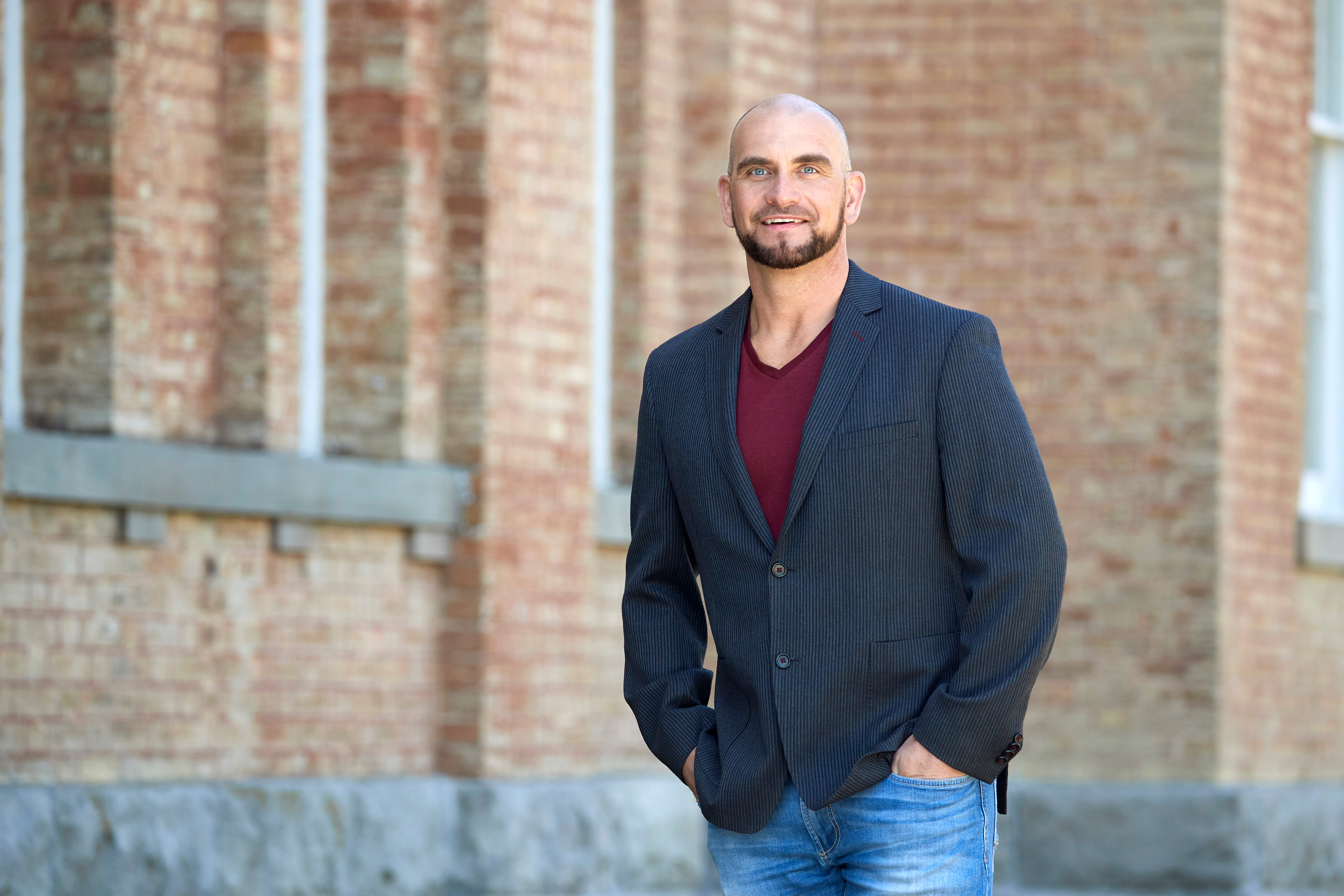
[00:05:21] Speaker D: Let me just do a little bit of an introduction. Corey McKinnon is a seasoned investor with over 20 years of experience across multiple investment strategies, multifamily development, furnished rentals, self storage. He's a partner in strategic success consult consulting. He's passionate about helping others achieve their next level through coaching events, communities with like minded investors or business owners. And he has a multiple eight figure portfolio that has helped him to reach financial freedom. Corey now focuses on empowering others to achieve the same success, to live an intentional life on their own terms. He's a father of four, enjoys travel and almost every sport. So it sounds like he's a health nut as well as, as a real estate investor.
[00:06:13] Speaker C: Yeah. Thanks for joining us, Corey.
[00:06:15] Speaker B: Hey everybody, thanks for having me back on the show. It's been a while.
[00:06:19] Speaker C: Yeah, yeah, you were on the show seven years ago. We were just talking about that seven years thing is that May 2019 was seven years ago, which is ridiculous just to begin with. But yeah, it's been a long time since we've talked to you. So very excited to catch up on all the things you've been doing since then.
Yeah, I remembered that about you. You were, you're like an Olympic weightlifter, right?
[00:06:44] Speaker B: I was, yeah. I got, I mean I, this is way back before CrossFit and before many people knew. They kept confusing me with like being a wrestler. Cuz we both wear singlets of some sort when you're competing. But yeah, we're doing this back rocky style and like an unheated, uninsulated garage. There was a, there was a wood stove in there in the wintertime and you know, people just don't know how good they have it at these gyms and boxes these days. Like we literally used to heat up the, the bar with a propane torch in the beginning of our workouts. But I took it to the national level as junior national champion. I went to some pretty big tryouts like Commonwealth tryouts, Olympic trials in 2000 and I made a comeback when I was 39 to show my kids what I used to do. And I won nationals a few more times.
But yeah, it's no health and fitness if you don't, if you don't have your health. I mean, you don't have much and it's not about like, how long you live. It's like your, your health span, not your lifespan. Right. So just turned 50 on Christmas Eve and I still feel like I'm in my 30s, which is the goal, so.
[00:07:45] Speaker C: Very cool, very cool. I see Muhammad Ali poster behind you. What does that say?
[00:07:50] Speaker B: Yeah, it's basically his, him and Sonny Liston. He's basically yelling at him to get up.
Right. So I just, I'm a huge, I was never a fighter, but I can appreciate, you know, martial arts and boxing and fighting and stuff like that. It's, it's, it's interesting for sure, so. And all the classic fights and whatnot.
[00:08:12] Speaker C: Well, let's get a little bit of a recap from you. I know anyone that wants to dive deep into what he was into back, back seven years ago, go listen to that show. We're just going to get a quick little recap of how you started. You know, tell us a bit about yourself too, and how you started.
[00:08:29] Speaker B: Sure. I mean, I don't think my story is that uncommon, but most people just don't take it as far as we all have here on the podcast.
You know, I grew up, you know, pretty humble beginnings. Like my grandparents raised eight kids in a 600 square foot house up in Sudbury. My dad left as soon as he could. He was the oldest of those eight kids and came down to Sarnia, Ontario, because there was a lot of hiring and a lot of work coming, you know, down here from the refinery. And I just remember living in a duplex. Like there was a little old lady that lived upstairs and my dad would go collect. I think it was only like $175 back then. She had a legacy rent that was locked in forever. No rent raises or whatnot. And I just thought it was normal to have someone living above you. Right. And that was our reality. And we lived in a. The home was probably 60 to 70 years old at the time. And right across the street was, there's like a brand new development, like they're building all these new houses when Sarnia was booming and the population was growing a lot more.
My best friend's dad was a realtor as well when I was growing up. And then my parents were entrepreneurial and then one of my first jobs in college was an entrepreneurial type of a position. And I saw my boss house hacking back in the day. So I just constantly exposed to this. I read rich dad, poor dad. As soon as it came Out. I, I can resonate with you buying a gym there, Rob, because I went to school for sports facilities and Recreation administration.
It was half sports and recommend and half business. And I kind of migrated towards the business side of things.
And I was a gym rat too. That's where I did all my co ops and everything. So I've worked with a lot of people in the CrossFit world who also want to divest and get into real estate too. But yeah, so I, I saw my boss doing this. I read the wealthy barber because you know Chilton is from Point Edwards which is like right. Touching Sarnia. It's kind of part of Sarnia.
Met him in person and talked to him before. Great guy. And I just resonated with those books, right. I just knew there was more. I didn't want to be average. I didn't want to be a cog in the wheel. I didn't want to work in corporate until I was 65 and you know, have a pension or whatever. I was like there's got to be a different way, right. I've always seen entrepreneurs and people who could make their own time, their own schedule.
It just that, that really connected with me. Right. And that's what I was chasing from a young age.
So I worked for student works painting for 17 years.
That's where university and college kids go run a painting franchise. It's just a great experience for them.
Helped to triple the size of that business when I was there.
Still stay in touch with them. I still speak to alumni group. I think it's kind of like the junior achievement of university. And I didn't buy my first property until I was 30 because I was too kind of too busy in corporate chasing and saving up for that big down payment. Right. I wanted to get into a bigger property. I wanted to be in a multiplex and I back then I didn't want to pay any CMHC fees. So that 25 down payment back then was a big chunk. But the first one I bought was a six plex and I haven't looked back since.
And since then we've dabbled in some other strategies like conversions, raw land.
Going to be building a big apartment building out of a church that we, that we bought and bought a storage facility which is actually one of my favorite businesses out of all of them. It's, you really can manage them remotely. It's way more passive than, you know, an active real estate portfolio with, with tenants that live in the units and they're constantly wearing things out and capex expenses and it's, it's cheaper to build storage and stuff too, so it's. Yeah, it's been an interesting journey.
[00:12:02] Speaker C: Well, let's go back to that six unit for a minute. I don't want to glaze over that because it's interesting. You said it took a long time to raise the deposit, right? That was needed, the down payment. And you could have at any time probably bought a duplex or even a triplex or, or something else. What, what gave you the drive and discipline to wait until you could afford the sixplex?
[00:12:26] Speaker B: Yeah, you know, I, I was working so much. Like, I was a. I was a young bachelor, and the first year or two of my career, I didn't earn a lot because we had some of the worst weather in history for rain and everything. And we're running a business that relied on good outside weather.
So it wasn't really until year three that I started earning good money. And then it, you know, it took me like four or five years just to save up. I need $107,000 for that down payment. I mean, the property is worth a lot more now, but I bought it for 410,000 and now it's worth probably like 1.4 million. So just hearing Quentin's, you know, preamble here, it's like, you know, when you get into real estate, it's just get in when, like as soon as you can. Because as soon as you start the clock and that snowball starts to build and that hockey stick curve of your equity starts to open up, it. You know, when you play the long game, you're not just here for a couple years when you're in it for the long game. And you realize when I'm buying something, I don't want to let go of this for at least 10 years.
That's when you can really start to access the benefits from real estate. Right. And you don't have to, you can refinance and you don't have to sell and pay capital gains. And obviously there's active strategies and there's more passive strategies, but, you know, that's kind of what I had my sights set on. Right. I wanted to go a little bit bigger on the first one because I wanted to really live rent free. And sometimes like in a duplex or a triplex, that isn't as possible. So.
And that's. That was the case. So as soon as I got into that one, I, I set up shop in the biggest unit. I had the biggest three bedroom unit with the full basement in the garage. And the other five units helped to pay for everything.
[00:14:07] Speaker D: That's really cool. I, you know what? I, I owned a storage facility as well, but my experience was a little different than yours. But my guess is that the size of my facility was the problem. Like, I ended up with like a storage facility. We had about 50 units.
And I found that my returns were like, I think I, I would have done. I mean, I did basically the same as I would have on like a house or a small building, but it wasn't as, as good as. As what I thought it could be. What was the size of your storage facility or what is the size of your storage facility and how, like, I'm just a little bit curious how you made that profitable.
[00:14:53] Speaker B: Sure, yeah, we bought it. So it's about 80 units. So it's not, it's not hundreds and hundreds of units. We are going to intensify because we have an extra half acre so we can build, I think another 90. And we've been dropping sea cans on the property too, just as proof of concept that we, you know, there is the demand and we rent out spots to RVs and everything else as well. So we bought that four years ago for 950,000.
And back when I bought it, I bought it at a 6 cap, but all the rents were low by like 25. The owner had not raised rents like ever. He owned it for 15 years. So he was, some of them were at market Rent if they recently rented. And even then he was giving a lot of deals. He owned the property right next door, which was a busing company. And it was just an easy, it was an easy buy for him. He could manage it easily. People would literally walk over, give him cash, check, credit card. I was like, you gotta systemize this and streamline it a bit more. Because I'm not, I'm not going to be the person next door that's, you know, opening and closing the gate and everything. Right. So we manage it remotely. Right now we only go out there if there's a significant issue. And, you know, we literally pushed it up to like a 9 cap in the first year just by doing. We didn't even do a full rent raise. We didn't go from, you know, catching up that 25% difference. I think we caught up by 10% that year, then another 10%. We just did the last 5% now. So everybody's at Market Rent.
And yeah, it's, it's, you know, for the amount of management that it takes, it doesn't take a lot of Management. You need a. You need a burner number. You need cameras out there. And you just need maybe like, somebody that's going to be in there on a regular basis, which is my grass and snow guy. We actually give him free space in there, and he's in and out every day, and he can kind of be our eyes and ears, which is great. So to me, it's a great business that brings in like nine or ten grand a month, and it's. It's a lot of fun.
[00:16:42] Speaker D: No, that's awesome. So you.
[00:16:44] Speaker B: Do you.
[00:16:45] Speaker D: Go ahead, Rob.
[00:16:46] Speaker C: I was gonna, I was gonna ask if either of you found any treasure in that business.
[00:16:52] Speaker B: Well, you know, it's funny, I mean, people. People are like, you know, why'd you get a storage, you know, business? And I'm like, I've been kind of researching this for a long time just because I see where the demand is going. Like, houses are getting smaller. People don't have as much space. People are becoming more materialistic. They don't want to let go of their stuff.
Even though we're in this, like, throwaway economy, like, we'll just go buy more stuff. But with the baby boomers aging and passing away and the kids having to take, you know, take care of their estates and things, people. People need space to put their stuff in. And it's. It's way more popular in the States. And actually the whole idea kind of came from the States and then came up to Canada. But, you know, I just see the way the world is going with housing being more expensive, more expensive to build. And it's kind of like the, you know, in Toronto or on the outskirts of Toronto, it's a lot more normal for people to have a storage unit. And this isn't a small town. It's in Petroleum, Ontario. But everybody needs a place to store their stuff. And the only time that we kind of were even able to think about treasure was, you know, sometimes tenants don't pay. Even though, despite our best efforts, trying to reach out and get a hold of them, you put their stuff up on an auction website and, you know, many times, each time I've had to do it, we've actually gotten more on the auction than what they actually owed us. They owed us 500 bucks. We'll get 6, 8, $900 in the auction, because if there's some valuable stuff in there, people are going to bid it up. So, you know, I could go and.
[00:18:16] Speaker C: Have you had to do that a lot, though? How many auctions have you done?
[00:18:20] Speaker B: I've Only had to do two or three. You know, it's. We try to work with people and we got the riff raff out and we screen pretty heavily. Like we don't accept everybody. Just because somebody wants to use your storage facility doesn't mean that you should. Just like tenants, right? Just because someone wants to rent your unit doesn't mean you should.
[00:18:35] Speaker C: You don't need bodies or drugs in there.
[00:18:38] Speaker B: No, no. So I literally had a guy, actually, funny story, we had somebody living in the, in one of the units once and we had to call the OPP and shake them up. And I actually kept him as a client. I just said, look, this is your one get out of jail free card. I can understand you're on tough times. Your girlfriend or whatever fiance kicked you out.
You can't live in your unit, despite what you see on YouTube. But.
And his unit was actually really well set up. He had shelving.
It was actually neater than some of my tenants units for long term rentals. But I'm like, you gotta, you gotta.
[00:19:10] Speaker C: What are you talking about? I'm just storing the bed here and my, you know, my clothes come on.
[00:19:15] Speaker B: Yeah, yeah. I was just tired. I just put my head down. But he, I mean he would leave the door open a little bit and we, the person that was in and out every day is like, Corey, I think something's going on in there. Like he literally parks his car in front of the door and leaves the door open and I, I swear he's sleeping in there. I'm like, this isn't good. Just let me know next time you see him. I'll call the opp.
So we did and he, he's been good, he's been a good client. It's been two years. He hasn't done any nonsense since, so that's cool.
[00:19:40] Speaker D: I, I remember I, I had somebody sleeping in a shed on a, we had a shed in a multi family building and somebody was, somebody's boyfriend who was a tenant in the property was actually living in the shed. But it had like an electrical cord going from the girlfriend's unit into the shed with it.
[00:19:59] Speaker C: Why didn stay with her?
[00:20:03] Speaker D: I think they had a fight, I don't know. And then it was.
[00:20:07] Speaker C: Literally the dog house.
[00:20:09] Speaker D: We had the police involved, same thing. It was. It's crazy. Like you have so many stories. It's just the nature of the business, right?
[00:20:17] Speaker C: So I mean those were a couple of little things. But what have been some of the bigger challenges that you've had to face?
You know, going through all this stuff that you've went through.
[00:20:26] Speaker B: Yeah, I mean, I think everybody faced challenges during COVID You know, a lot of people were, you know, breaking, breaking leases, wanting to go to rural areas or you know, go do virtual schooling. So I do have some units in London, Ontario that are, I don't, I don't like to do student housing, but I'll do student units. Like if it's a three bedroom unit or four bedroom unit, I'm probably going to rent that to students just because they'll get a higher rent per room.
And man, there's a lot of lease breaking going on. There would be some times where we'd have to re rent three times in one year. That was pretty common. I also rent to a lot of transient workers here in Sarnia for, for shutdowns, plant shutdowns, and their jobs are getting canceled and things are getting put on pause and we'd have to re rent units. So we just pivoted. Like we, you know, they also didn't want to do in person showing. So we do, we'd get matterport scans of the units and I had a guy that was doing those for 150 bucks. So I'm like, for 150 bucks, like, we'll do virtual tours of everything and just send them the link and we'll do a virtual tour. We'd literally just get on Zoom and show them the unit and say, what do you think? And you know, we could do Google street view of the neighborhood and we're like, they're like, yeah, we're ready to rent it. So but as of late, I mean, in 2025, 2026, I think everybody is struggling a little bit with rent softening with lack of, you know, just when you think of currency, right, they call it currency because for a money system to be working, like money's got to be moving and money just isn't moving as much. Things aren't transacting as much and yeah, so just you've got to be more competitive on your rents, which is fine.
We recently just, you know, you drop your rents by 100 bucks and, or 5 or 5 to 7% and you start to get the phone ringing again. Right. So when you have a lot of equity in your properties, you don't have to fight over every single, you know, $25 increment on your rentals. To me, I just want to get it rented with the right person who's maybe not going to want to be there for life. So we can reset the rent every you Know, two, three years or whatever. And that's been the latest struggle I think, is just, you know, keeping units full and you know, just managing rental costs, managing all expenses. Everything's gone up in price and we're not doing like full Renault, we're just doing a lot more cosmetic rentals these days. And if I'm leaving 100 bucks on the table because we didn't do everything, that's okay. To me it's just about keeping things full and rented and keeping the money coming in and you know, you know, if we're trying to go for a refi or something like that, like right now we're doing a full rental on a unit because we're going to refi that property. But if we don't have to, we, we won't.
[00:23:00] Speaker D: Is that an apartment building or like the, like a, a five plus unit?
[00:23:07] Speaker B: Yeah, a lot of my properties are eight units or, or smaller. I've never gotten into the bigger apartment space, although I do want to. And when we do this 29 unit build, we'll have a bigger one.
So yeah, we've, we own a lot of doors and then we've just been, you know, building it together with just a lot of these like, you know, four to eight unit buildings. And it's worked out well, but it's, it's also one of those things where it, man, it'd be nice to just manage fewer properties, still have a lot of doors and get into some of the bigger units, which is our next kind of our next next stage and as an investor here too. So we can trade up, right? We're in the trading up game now.
[00:23:42] Speaker D: Yeah, that's, that's a great idea for sure.
[00:23:46] Speaker C: Have you guys seen a lot of people over the past few years who are over like, you know, who are to maybe too over leveraged to deal with that fact that the, that the rents are softening.
[00:23:56] Speaker B: Oh, for sure. You know, when people, I think people don't realize the, it's not a privilege to go buy real estate. I mean it's, it's your right to, to, to buy it if you can afford it. And you got to make sure you have reserves. Right. A lot of people get into this, whether it's business, real estate, you name it, they don't have any reserves. And you got to have extra cash in the bank, you got to have a good paying job until you can actually start to step away from that. It took me seven years before I actually said, hey, we've got enough rentals, enough cash flow I've got enough savings. I'm living, you know, still living a pretty lean life here.
When you live like a student as long as you can, then you have flexibility, you have some options. But I think people don't realize that it's not best case scenario. It's got to be like it's not always worst case scenario, but it's got to be most likely scenario. And yeah, things wear out and you're going to have cash calls and whammies and things that hit you. And if you've never played Monopoly or cash flow quadrant, I mean you need to, you need, need to get used to some of these things and playing it on paper because it's going to happen in real life.
Furnaces go, boilers go.
You know, we had a flat roof that I, I did like eight years ago and we had a downspout that got disconnected and we didn't notice it and it was just, you know, water was still getting in so we had to redo that whole roof. There goes ten grand. Right.
So yeah, I think that's the biggest thing is people are too aggressive. They think rates are going to stay low forever. I mean I got in my first property, it was, I think my first mortgage was 5, 5.99. I've seen my parents, like I remember when my dad was paying 18 interest and it was a big celebration when they got under double digits. Right. So just a lot of, yeah, a lot of people have never seen these higher rates and higher expenses. And I used to feel like my dad now just, you know, complaining about how expensive everything is. But that's what you get with inflation and that's, that's why it's so important to be in these, some of these asset classes.
[00:25:48] Speaker C: Well, it's interesting, I wanted to get into this too because you've said that with the right systems, the LTB in Canada isn't as bad as most people make it out to be. So I really like to have you explain what you mean by that. I, I would tend to agree. Like anytime that I've had to go and work with ltb, it really hasn't been so bad for me and I'm lucky. It's probably maybe five times I've had to evict a tenant and, and it, and most of those times went very well in contrast to a lot of the stories that, that you hear.
[00:26:24] Speaker B: Yeah, yeah, let's dig into that a little bit. So my background in corporate and I'm going to encourage everybody to not try to wear every single hat in their real estate business or in their business, period. Right. Just because you can do it doesn't mean you should do it. You got to make sure you put the right person in the right seat, facing the right direction on the bus.
And for me, I feel like placing tenants is kind of a specialty of mine. I. I had 17 years of HR experience, right. Which is reading people, understanding their situations, cutting through the stories, you know, connecting quickly with people, sensing when the story doesn't really make sense, right. When there's gaps in the story and like, you know, you're seeing how they do one thing is how they do everything, right? It's like how they show up, how they dress, how their car looks, how their teeth look, how their cell phone looks. Like all this stuff matters. And you got to be able to triangulate it quickly and say, hey, is that a good decision?
Should we pursue this person? And then a lot of people don't do any reference checks, no background checks. So if you have a strong system in place, so many people are so nervous about having a little bit of vacancy in their unit that they. They're desperate and they go take the first person that'll fill it. And that's the biggest mistake. And they don't trust their gut. Another big mistake. And then they don't have any systems in place. Right. So the bar is higher these days. There are more professional tenants out there. There are more. There are more people falsifying documents. And if you're not, you know, thinking three steps ahead of them, if you don't have a great vetting process or any process, that's when you're going to run into big, big problems. For me, yeah, sometimes people do fall in tough times. They need to break their lease early. No problem. We'll work with you. We've had some tenants stop paying rent, but we know where they work, and we always rent to people that have jobs and we can garnish wages.
You know, it's. You got to have the conversation with them, like, just because you're not paying your rent doesn't mean it's not due. You can delay it, but it's still going to be due. And, you know, if you can't afford this unit, we will let you out of your lease. You got to keep a good.
A good relationship with the tenant, no matter how frustrating it is. Because if you. If you're. If you're both butting heads with them or if you push and they push back, it's. You're not going to get anywhere, you know, I just had some students leave my unit in really dirty condition. And that was one situation where I went against my gut and it was three years ago.
You know, they really fought their case and they, they put down a, it was in a furnished rental too. So they put down a damage deposit and everything. And you know, it's, you know, one out of 100. It may not go your way, but everything's fixable too. But I feel bad for people that are over leveraged. They only have a couple rentals, they're afraid to have a vacancy, they put the wrong person in there and then. Yeah, that's where issues and challenges can, can happen. So if you, if you don't know how to, you know, lease up your units, that's where you should go and pay one month's rent and just work with a professional, work with a Realtor like, like Rob or a great property manager who can actually fill your units for you and they treat it like your own.
[00:29:23] Speaker C: Yeah, I won't help anyone do that.
[00:29:27] Speaker B: I'm just saying there's a lot of Realtors these days that aren't transacting as much, but they're, they're doing well with leasing. Right, so that's a. Yeah. Stream for, for some realtors.
[00:29:35] Speaker C: Yeah, absolutely.
[00:29:37] Speaker D: That's something that I would watch out for too, because just because they want money doesn't necessarily mean that they're great at the, the filtering and. Exactly what you were saying. Right. The due diligence part. I think one of the things that is, is really interesting that's been happening is the, when you have new investors who start and they have one or two, maybe three properties and then they, they've put in two or three tenants that are questionable, it really puts them into a really, like a bad financial position because all of a sudden, you know, it's, it's different when you have 20 units and you have two people that aren't paying or even, you know, maybe a third that's paying late. But if you have five units or six units and you have the same amount, then, you know, you really get into some, some problems. And I think also that's, that's part of what makes the system challenging, but it's also a way to filter out people who are in it for the long haul. You know, otherwise if it were that easy, everybody would do it, but it isn't. So there's some definite challenges. So, you know, I agree with you. The right systems are, are really important for you to be able to, to, to do that.
[00:31:00] Speaker C: Well, not only that, I think that. Well, yeah, I mean, I guess that this is included in that. But one of the biggest things that people don't do that that, you know, causes every portion of every delay is sending out the notice. Like the day after the person's late for their rent. It needs to be done right away.
[00:31:19] Speaker B: Right.
[00:31:20] Speaker C: And so that is one of the big things that can slow it down. If you could do anything when, when someone's late for the rent, it gives them time to catch up. Gives them 15 days to catch up. But the next day after it's due and they don't pay, always send that notice.
Right?
[00:31:36] Speaker B: Yeah. So important. And you can just let them know, like, hey, just company policy, we know you're going to catch up on rent, you know, but again, this is just, here's your N4. Or if you live in different parts of the world, there's different forms that you fill out. But yeah, you can't, you can't buy their stories for weeks and months on end. And then all of a sudden you're three months without rent and you're like, wow, I wish I would have done this on day one.
I, I literally had a tenant one time. I gave her an N4 and she literally, she moved out of the unit. Like, she, she paid up her rent or. No, she used up her last month's rent. She just moved out. I was like, whoa, okay, I guess you're gone. So no notice, no nothing. But I'm like, maybe that was just her way of going, you know what? I can't afford this anymore. I'm just going to move out. Right? So.
[00:32:16] Speaker C: Yeah, yeah.
[00:32:18] Speaker B: But they also know that you're, you're serious, you're, you know, you're followed protocol. And again, I've only had to be on go to the tribunal like three or four times as well there, Rob. And it's just a black and white case of not paying rent.
You know, we get the order and we can pursue it. Those orders are good for years, Right. And if again, you can go try to settle with them or you can go and garnish wages. You can.
It's gonna happen, right? And you gotta have a little bit of a budget for that and just realize that sometimes these things are going to happen. But I totally hear what you're saying. They're Quentin. Like when you're in a duplex and you're living on the main floor and the person upstairs isn't paying, that's not why you got into real estate, right? So I think it's important for people to educate themselves, to maybe just learn from people that have done this before. And you can, you can pick up a lot of information on a podcast, but I think, you know, getting some boots on the ground experience as well and, and working hand in hand with somebody who leases units or whatnot. Right. I actually got to mentor through my landlord back in the day because I was kind of his boots on the ground. I didn't lease units for him, but I, I got to do a lot of the, you know, painting and, you know, some handyman stuff around the house. And I was, you know, I would let contractors in and stuff. I'd spend time with him and walk, walk properties with them and stuff like that. So there's a lot to be said to, to, you know, getting boots on the ground and just learning. It's. It's so important with these big assets, these are going to be some of the biggest investments of people's lives. So you, again, you can't, you can't learn a sport from reading a book.
I'd also advise the same thing with real estate investing. You got to get granular with it. You got to get kinesthetic and, you know, be able to touch it and feel it and learn from people in the field.
[00:33:52] Speaker D: Yeah. You know, that actually ties into your program. So maybe you can tell us a little bit about the pathway to clarity and prosperity.
[00:34:01] Speaker B: Sure. I won't, I won't spend too much time on it. But, you know, I've been teaching people ever since grade school. Like, my origin story is I remember being in grade four, and my best friend's mom came up to me and said, hey, can you tutor Dave? He's not doing so well and, you know, core subject and needs some help. And I was like, I was thinking math or, you know, science or something I really liked. And she's like, it's French. I'm like, oh, my gosh. Like, I'm not like bilingual or anything like that, but I, I just had to find a way to teach and to help people. And then I continued to do that in high school, and then I took a career, you know, coaching and mentoring people. So not everybody is meant to be a mentor or a teacher or to, to have a program. You know, some people just do it only for money, and it's pretty obvious. But I'm doing this really as a give back. It's. It's my mission in life to make sure that people don't struggle as much financially. And I'm just so. I'VE seen what real estate's been able to do for me and other people around me like you guys.
And I want more people to either be an entrepreneur or to have hard assets. Because it's.
If you're just trying to do this like the traditional way and retire on your pension or work until you're 65, man, it's a tough life. And I saw my dad do that. He was fortunately able to retire at 55, and he's just been. Now he's got to live really frugally, right? And I don't want to see that for other people. So what we've done is we put together a program that focuses really heavily on the fundamentals for people that are getting into their first or maybe up to their fifth property, right? They haven't scale and scaled and grown really big at that point, but a lot of people are missing the fundamentals. Like, they don't really understand how financing works, all the different types of money. They don't even understand all the different strategies. They just, they might hear about something on a podcast and go, you know what? I want to go buy a vacation property in Costa Rica as well and just, you know, live that lifestyle. But they don't. They don't understand that that might not be the best for their risk tolerance, their personality, their work ethic, their goals, where they are in life, right? So you really gotta.
You gotta line it up. So it's super intentional.
One of my, my friends that it was in Mastermind with during COVID has this, has this principle. It's like the Goldilocks principle, right? Michael Dominguez wrote a book about it. And it's gotta fit just right, you know, And I think that's important for people. And you gotta have the knowledge and the understanding. If you don't have the fundamentals down, you're gonna get. You're gonna continue to be punished and got. Get taught lessons about, you know, strategy, market financing, you know, how to underwrite properly, how to, you know, make money on the buy, how to do strategic renovations and push the equity of a property. Like, all these things are important. Building your power team, how to select power team members, how to select tenants. These are all really important. But once you have those down, then you can, you can actually grow as much as you want.
[00:36:45] Speaker C: So how do people learn more about the. The program?
[00:36:48] Speaker B: Yeah, people can reach out to me. I'm really active on Instagram. They can send an email as well. Corey McKinnon.com.
you know, right now, we're not running Ads. We were running ads for our program and it's, it's a group combination of group cohort training and then we also do one on one accountability too. So people, everybody's individual and we want to make sure that people get individual time with myself or the coaches. So it's, it is important. Right? You can't just learn everything from theory and you know, virtual calls. Like we want to get them out there in the field making offers, running lots and lots of deal analysis and we're here to help support them. Right. We're going to give them green light, red light, yellow light on their deals and then work through them and show them how it could be a deal. That's a great question to ask is how could this be a deal? And some, many properties will just never be a deal. Right. But just having that support, that training, that learning, that mentorship is, you know, people don't need it forever. But I think it's important to help people get, get started and it's, you know, it's really reasonable. We're, we try to make it as cost effective for people as possible to get involved. So yeah, reach out, love to have a conversation. We literally just onboarded a new student last night, so it's awesome. We help people all across North America.
[00:37:59] Speaker D: That's really cool. I think, you know what, what I have kind of seen over the last, I would say two years since we've started to have change, particularly in Ontario with the rent numbers kind of tightening and the appreciation going in the opposite direction in a lot of different places, obviously not everywhere because every market is really city specific.
Even within Ontario.
What I've seen is that there's been slowly dispersion of the number of people who are interested in real estate investing. Even though a lot of the deals are now penciling that they didn't pencil two years ago. And, and the numbers actually make more sense than less sense. People are actually moving away from that. And I've seen less and less programs and less and less memberships and less and less people involved in those memberships. And it's kind of like I, you know, when everybody sees you people investing in real estate, then more people want to invest in, in real estate where, Whereas, you know, I've, I've personally witnessed the opposite in the last two years. And I'm wondering if you, you see the same thing. Have you seen groups kind of get smaller? What, what's your experience in that? I'm just curious. Curious.
[00:39:34] Speaker C: Yeah.
[00:39:34] Speaker B: We've, we've seen the same as Well, I mean at, at my peak, we had like 100 clients that we were supporting. I built a whole team and a whole business around it. And it's, you know, when things are, when there's a lot of interest on it. You know, for example, like, let's say silver. Silver is going up like crazy right now. Right. So many people want to go buy silver. Well, why weren't you buying silver when it was like 25 an ounce as opposed to, you know, now? I mean it's been, it's had a, had a correction and a pullback. But same with real estate, like five years ago, like so many people wanted a piece of it and money was cheap and it was easy to get it, easier to get it.
But now, yeah, things are penciling out. Like I'm telling people, like, this is when the smart money comes out. This is when, you know, our clients that are coming to get help and support, like, they're actually very serious. They're like, this is not a nice to have, which I think it is. When things are really hot and getting inflated, it's a nice to have. They don't necessarily do the work and want to learn the fundamentals. But right now it's a, it's a must have for a lot of people and I think it's a great entry point.
I think we're going to see some, you know, positive change here in the next year or two. But it's been, yeah, it's been a challenging couple years and I think there's a, you know, not as many groups out there because they rely on the memberships and they rely on the high ticket coaching and all that stuff to keep their doors open. Whereas we're running a really lean business.
We were doing events for live events every single month for over a year and we toned that back because, you know, people are just even struggling to put gas in their car and go buy, you know, our tickets were $40 at the door. Right. But we had amazing speakers and a lot of great content. We didn't, we don't want to just be doing this online though either. Right. I think there's a lot to be said to getting people in person, shaking hands, having those.
[00:41:18] Speaker C: There really is.
[00:41:18] Speaker B: Yeah. Having those conversations. Right. So we'll pick that back up when things are, you know, people are a little more flush. But yeah, we're not giving up on helping people. I think it's important to make sure that people have something they can plug into. And yeah, we, we work with people all across Canada and we've also started working with some US clients too. So.
[00:41:38] Speaker C: Yeah, it is interesting that, I mean, I think that now is really the time that people should be, you know, fighting with every, with all their strength to get into real estate investing. You know, that's probably one of the number one things that people could do right now to try and better their situation.
I know everyone can't do it, but you know, instead of maybe it, it is, it is a, it is a good way to, you know, possibly get yourself out of some trouble that you might have gotten and over the last few years.
If you do it right.
[00:42:15] Speaker B: Yes, yes. You know, and people, you know, if you think about like what's working right now, a lot of people are thinking like too big. They see Grant Cardone or something like, I need to buy an apartment building. Well, if I can't get an apartment building, then I don't want to just get a house. But you know, you could still get into a house and kind of live like a student if you're in your 20s or 30s. I mean, I literally live with roommates until I got married, right. So when I was 36 years old, you know, that's when it was like, nope, can't be staying in the sixplex anymore. But you know, you could still live in a house and still have roommates and stuff like that. Or you go, you go camp out in the basement and go pick up a property that has a granny suite or in law suite or whatever. Like house hacking really works, especially as a first time home buyer. And then you can also use your RSPS as well and only put 5% down. And you know, things like that could really help people get into the market, which I think is, is great. And that's how I got into it and that's how many other people are getting into things. But I agree, Rob, like you really should be because otherwise you're going to be priced out and we're going to be more like Europe or Australia where even though we're not as densely populated as those countries, like there's still a significant barrier to entry, to creating new units where I don't think we'll ever catch up to the demand.
And there's a lot of red tape still it's expensive to build. Like buying, buying resale makes a lot of sense. You can renovate for less than you can, you can build for sure. So. But if people don't get into these asset classes, I think they're basically trying to condition this generation that it's okay to rent And I guess it is okay to rent if that's all you want in life. But if you want to have a nest egg, if you want to have more, if you want to have an asset that's going to go up with inflation and go up over time. I know we're not really appreciating very much right now, but we're going to come back to that and that's going to happen again.
[00:44:04] Speaker D: So, yeah, it's all a cycle. The other thing that I think is a real challenge for people, even existing real estate investors, is the financing piece. Like we're in a part of the real estate cycle, just like where we would probably consider this a down part of the real estate cycle. In the financing cycle we're also in a down piece, which makes it very hard to qualify, particularly with the, where wages are, where people are finding challenges with their employment.
I think also the banks are very careful about how they're lending, who they're lending to, and the process is really challenging.
So it's definitely something that we're seeing we have to be careful of.
[00:45:02] Speaker B: Oh yeah, definitely. And you know, if you want it bad enough, you'll find a way, right? Like maybe you do a joint venture with a, with a, you know, a good friend and you know, you both agree to buy at the same time. You might be, might have an easier time qualifying.
You know, I actually got an advance on my commission, so I had that $107,000 for my first one, right. I think I got 25 grand that I hadn't, hadn't actually got fulfilled yet. But I was going to get it by the end of the year, but I need it for August closing.
You know, parents, you know, angel investors, like people to lend to you. Like find a way, get a co signer. Like if, if you want it bad enough, you will find a way. Creative financing is also another piece that I've done multiple times over and that's a great, a great way to get into real estate too. So. But yeah, I totally hear you, Quentin. Like, the banks are a lot more risk adverse and you know, if they've hit their criteria, they're just not going to want to lend to you, which I think is crazy to turn away business, but they do it and you just gotta, you know, working with a great mortgage broker is also important too. If you're just going to your bank and they say no, then hey, there's lots of other options out there. If you work with a great, a great mortgage broker that has access to everything that's out there.
[00:46:11] Speaker D: Yeah, that's, that's really cool. I think one other thing that is a challenge right now is if you're an investor and you're trying to sell an asset, the actual amount of sales out there is quite low. In general, of course, it's market specific. Are there any strategies that you would kind of suggest to an investor who was planning on selling an asset in order to help with the sale of that asset? So let's say they had a duplex and they've held it for 10 years and now they want to sell it. Because we, we do see quite a bit of that and there's still profit in the, in the sale of the asset because they've owned it for that long. But they, you know, they're trying to sell into a market that there's just not a lot going on.
Do you have any suggestions for somebody like that?
[00:47:05] Speaker B: For sure.
Well, for that person that's on the duplex for 10 years and they want to sell it, you know, if, if you could go back on the time machine and make sure that whenever you buy a property, you have to be thinking like, okay, someday I might want to sell this. Right? So I always buy in great parts of town.
That also helps me place tenants, but it also helps me if I ever do want to sell in the future.
So, because if you're in a C part of town and you got, you know, see like a C tenant pool in the building, like, it's going to be hard to sell that, that property. But I do know that people are wanting a little bit more turnkey these days, right? They don't want to try to burr a property or buy a property and then go put another, you know, 20 grand per unit into it. So if you can make your units more turnkey, you can even have your units vacant, right? So that people don't have to inherit tenants, they can set the rents at today's market rates. That definitely helps.
I was just looking at a property not long ago with one of my students and it was a six plex in Sarnia. Like all two bedroom units.
Only one of them had a tenant in it. So five of them were vacant and five of them are renovated. I'm like, this is a, like a killer deal. It's in a pretty good part of town as well. Like the guy just wanted out. He was tired of being a landlord. He was actually running a sheet. Like he had a sheep farm that he's building or just growing and buying more sheep. I guess there's A lot of money in that these days with livestock. So that was his passion. And he was just getting rid of the property. Right. Six bucks for 799 and brings in over 100k a year. Expenses were 17,000. I'm like, this is, this makes sense. All day long, you know. So cool.
[00:48:39] Speaker D: I'm going to say it. He was in deep sheep, right?
[00:48:42] Speaker B: That's right, man.
Yeah, for sure.
[00:48:46] Speaker C: So I just wanted to mention this because we, we sort of talked about how much of a compromise it would be, you know, to go and get into something like this, but really, like, there's, there's all kinds of different properties out there. You know, you got like front and back duplexes, some, some even, like I've seen, you know, where, where it is front and back, but they both have their own driveways. They're both fenced off completely, you know, and you got one wal.
Something like that. Like, I mean, really, if you, if you can find something that fits your lifestyle, I guess is all I'm saying. It's not, it doesn't have to be a huge compromise in order to get into that, you know, you don't need, you know, somebody who owns 17 dogs and they're barking all night long and you're just like, oh, I'm doing this for the money, you know, it doesn't have to be like that, you know. Yeah. I think you can find what you're looking for, something that'll fit in your lifestyle as well.
[00:49:40] Speaker B: Totally. I mean, with these adus now, like, you can have a really cool, like, tiny home in the backyard. And you know, we, we've had so many great tenants over time. Like, our perfect avatar is just a homeowner in training, like somebody who wants to get into a property. And, you know, it's a sad day when they leave because I'm like, oh man, you bought a house, right? You're kind of leaving the fold, but that's kind of what we want. And you know, those are tenants that are going to take care of your properties too. They're, they make a great avatar and, and you know, they have good income, good careers, and they're, they're focused on that, you know, that next home of theirs in the future too.
[00:50:12] Speaker C: What's next for you, Corey? What do you got coming up in the next year, five years? What are your plans?
[00:50:18] Speaker B: Yeah, good question. Well, we're going to continue to grow our community. And if, you know, if people ever do want to join the community, we have a huge WhatsApp group where people can get connected and just, you know, if you need a, if you need a trade or a person or an answer solved or whatever, just send me a DM and we can get you into that community. But, you know, continue to support real estate investors and, you know, I just want to get back into buying mode. Right. We're actually just like Quentin was talking about. We're going to be doing a bunch of refinancing and things too, and just expanding and taking on projects that I was hesitant to do when my kids were still young. But My youngest is 6 right now, my oldest is 13. I think they can really learn now by seeing like, what it's like to build something or, you know, we have 10 acres that could be a 34 building lot subdivision. We have that 10,000 square foot church that we can convert into our 29 units with a bit of an addition, expanding the storage facility. Like, there's a lot of great things that we could be doing getting into the apartment space, actually believe it or not, getting into like more Airbnb, because now that there's, there's less Airbnbs, there's still a good demand.
We're actually looking to, to lean a little bit more into that now too, so we can avoid ltv. And it's just something I enjoy. Right. It's kind of nice to not have to deal with legacy tenants or like rents that fall behind, behind too far.
You know, you always can keep your rents pretty high with, with that model too, so.
[00:51:47] Speaker C: And I can help you buy fully furnished down here on the ocean anytime. Just give me a call.
[00:51:52] Speaker B: Yeah, that's awesome. That works.
[00:51:55] Speaker D: That's awesome. So how can people get in touch with you?
[00:51:58] Speaker B: Yeah, like I mentioned, people can send me a DM on Instagram. They can also send an email. Corey McKinnon dot com.
You know, it's, I'm not that hard to find. Just Google me and you should be able to get in touch. But yeah, always happy to help.
You know, people can also go subscribe to the YouTube channel as well. I've got a YouTube channel where we try to post relevant content about what our clients are doing or just what, you know, we just waterproof the basement. I want to show people, like, hey, it's not, it's not something to be afraid of. Like, this is the process of waterproofing a property. If you have, if someone's had a water issue. Right. So, yeah, that's where we try to support people for, for free. So it's, it's great.
[00:52:39] Speaker C: That's Cool. Thanks a lot. Are all of those in the show notes that you sent me all the links?
Sorry, did you send me all the links that you just mentioned for the show notes?
[00:52:49] Speaker B: I think so. If not, we can make sure that you get them right after this meeting and the WhatsApp.
I'll get you guys that link too.
[00:52:55] Speaker C: Okay, cool. All right. Thanks. Corey. Man, it's been nice to talk to you again. It's been a been quite a while. I know I've seen you in between when we talked on the podcast last time, but still, I think that was six years ago or something like that.
So it's really nice to catch up. Appreciate you taking the time to come out and help us learn from you. So thanks again.
[00:53:18] Speaker B: No problem. And it's been great staying in touch with you.
Definitely. Costa Rica is on my radar, so we should chat more about that. Definitely need to get it. This has been the coldest winter in quite a while. A lot of snow.
[00:53:29] Speaker C: That's what I hear.
[00:53:30] Speaker B: Yeah. And it's great to stay in touch with Quentin. I think I saw Quentin in the past year at a. At an event too. So.
Love what you guys are doing and you know, I think people need more of this, so. So don't stop, guys. Appreciate you too.
[00:53:42] Speaker C: Thank you very much. Quinton, how can people get in touch with you?
[00:53:46] Speaker D: Yeah, you can hop on to Quint souza.com book a 15 minute call. I'm always happy to to chat with you about real estate or come out to a Durham Re.
We've been running the monthly since 2008, so you can always come up to one of those. Just send me a message and I'm happy to to send you a guest pass if you've never been there before, but that's the best way. How about you, Rob?
[00:54:12] Speaker C: As always, email me @robert, Mr. Breakthrough. Ca. And if you want to check out the gym, go to Surfside Gym Costa Rica on Facebook.
[00:54:21] Speaker D: Awesome. Let's see those muscles, man. Like your gym muscles.
[00:54:25] Speaker C: What am I? What am I?
[00:54:29] Speaker D: We were both doing it.
Give me a break.
[00:54:34] Speaker C: See you next time.